How to Start Investing for Beginners in 2026
A practical beginner’s guide to choosing an investment account, understanding funds and fees, managing risk, and making your first investment in 2026.

A practical beginner’s guide to choosing an investment account, understanding funds and fees, managing risk, and making your first investment in 2026.

compound-interest-explained

Should you save money or start investing? Compare the risks, explore practical examples, and build a plan for emergency savings, near-term goals, and long-term growth.
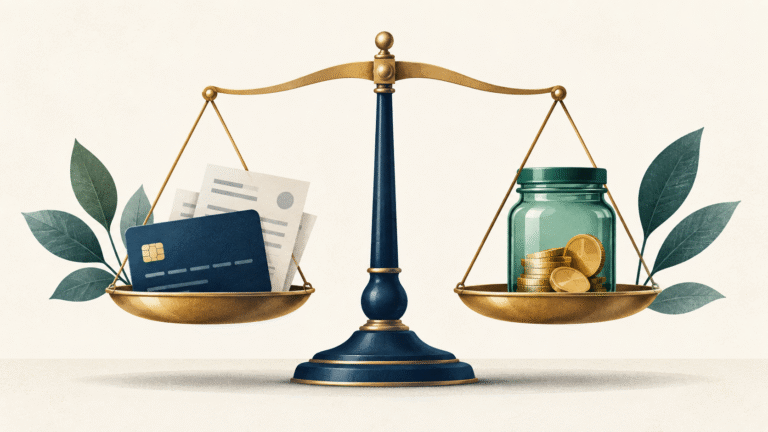
Should you pay off debt or save money first? Start by covering essential bills and minimum debt payments, then build a small emergency cushion. Once you have that protection, prioritize expensive debt. Saving more first may make sense if your income is uncertain or an unavoidable expense is approaching. Suppose you have $300 left after…
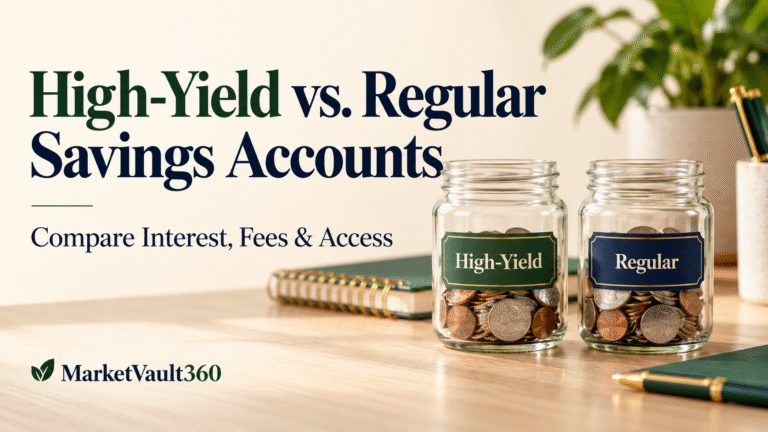
Compare high-yield and regular savings accounts with clear interest examples, fee comparisons, and practical guidance on choosing where to keep your savings.
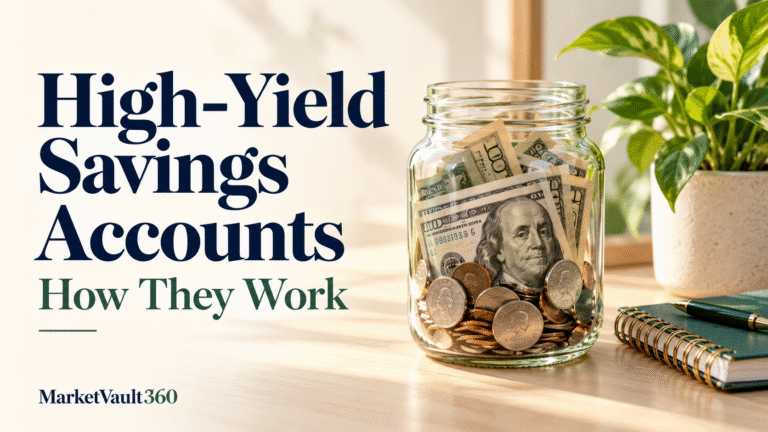
Understand how high-yield savings accounts work, compare interest earnings with clear examples, and learn what to check before opening an account.
Learn how to manage your money with practical steps for budgeting, saving, paying off debt, and investing—plus a simple plan for your first month.
Want to save your first $1,000? This practical guide shows how to set a timeline, cut expenses, earn extra money, automate savings, and reach your goal.
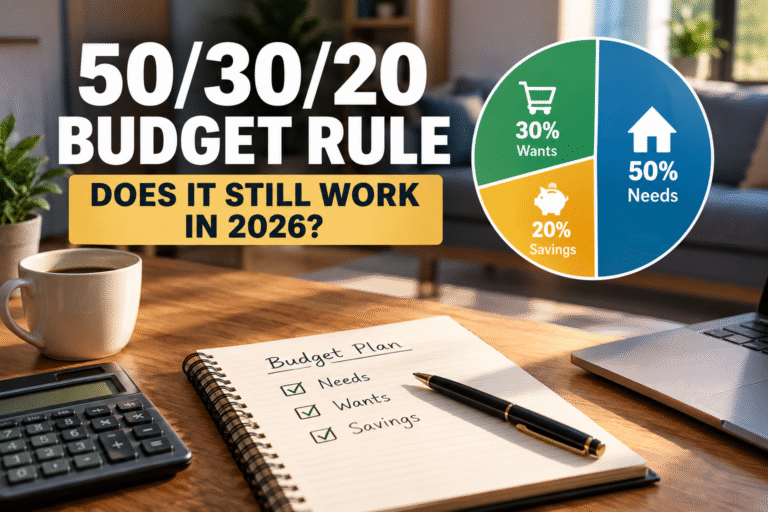
The 50/30/20 budget rule divides take-home pay between needs, wants, and savings. Learn whether it still works in 2026 and how to customize it.
How much should you have in an emergency fund? Learn how to calculate a realistic target based on your expenses, income stability, and financial risks.